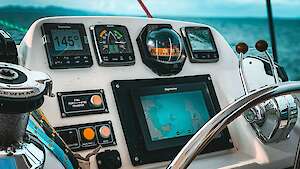
Havelock Slipway provides practical marine electrical and electronics services for both modern and traditional vessels. From fault finding and rewiring through to the supply and installation of navigation and communication equipment, our focus is on reliability, safety, and systems that work as intended in a marine environment.
Electrical issues can be difficult to diagnose and disruptive to vessel operation. Our experienced team takes a methodical approach to identify problems accurately and carry out repairs or upgrades efficiently.
Marine Electrical Services
Electrical fault finding and diagnostics
Repair and replacement of damaged or ageing wiring
Full or partial rewiring of vessels
Battery systems and cabling
Inspection and repair of electrical panels and circuits
Rectification of corrosion-related electrical issues
Marine Electronics – Supply & Installation
We supply and install a wide range of marine electronic equipment, including:
Depth sounders
GPS and chart plotters
Radar systems
Autopilot / auto-steering units
Marine radios
Navigation and safety electronics
Equipment can be owner-supplied or provided through us, with installation carried out to manufacturer specifications.
Integration & Upgrades
Upgrading older systems to modern equivalents
Integration of new electronics with existing systems
Neat, serviceable installations with future access in mind
Reliable Systems, Done Properly
Marine electrical and electronic systems must be robust, safe, and suited to the vessel’s use. Our approach prioritises correct installation, clear labelling, and long-term reliability rather than quick fixes.
Whether addressing a persistent electrical fault, modernising navigation equipment, or carrying out a full system upgrade, your vessel is supported by experienced tradesmen who understand the demands of the marine environment.
Common Electrical Issues We See
Over time, marine electrical systems are exposed to moisture, vibration, and corrosion. Some of the most common issues we are asked to investigate include:
Intermittent power loss or electrical faults
Corroded or degraded wiring and terminals
Outdated or overloaded electrical systems
Battery charging or isolation issues
Faulty switches, breakers, or fuse panels
Poor or non-compliant past electrical installations
Electronic equipment no longer communicating correctly
Wiring not suited to the marine environment
Many of these issues develop gradually and may not be immediately obvious. Early diagnosis and corrective work can prevent system failure, safety risks, or more extensive repairs later.
When to Get Electrical Work Checked
It’s advisable to have your vessel’s electrical system inspected if you notice any of the following:
Electronics behaving intermittently or cutting in and out
Repeatedly flat or failing batteries
Burning smells, heat, or discoloured wiring or terminals
Corrosion visible on wiring, switches, or electrical panels
New equipment added to an older electrical system
Previous electrical work of unknown quality or age
Preparing for a survey, insurance work, or extended cruising
Early inspection can help identify small issues before they develop into major failures or safety concerns.
Electrical Safety Notice
Marine electrical systems can present safety risks if not installed or maintained correctly. For safety reasons, electrical repairs and modifications should only be carried out by suitably qualified and experienced personnel.
If you are unsure about the condition or safety of your vessel’s electrical system, we recommend having it inspected before further use. Havelock Slipway accepts no responsibility for electrical work carried out by third parties or owners outside of our control.